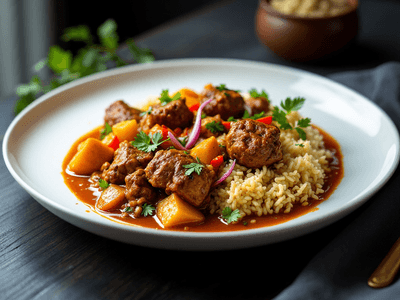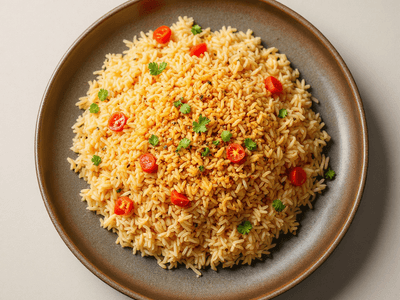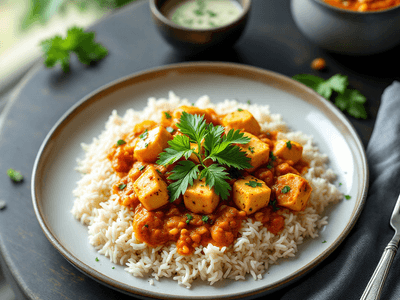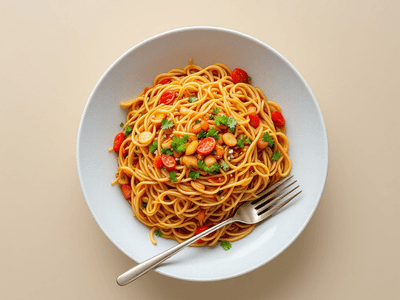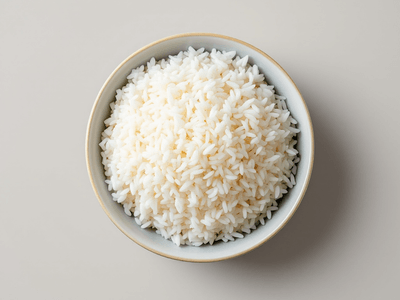
Jasmine Rice
Southeast Asia • Eggetarian
How to Make Jasmine Rice (Traditional & Healthy Version)
Jasmine rice, known for its delicate floral aroma and soft, fluffy texture, has found a special place in Indian kitchens, especially in the eastern and northeastern states bordering Southeast Asia. While basmati remains the iconic Indian rice, Jasmine rice is celebrated for its nuanced fragrance and versatility. In India, Jasmine rice is often enjoyed during light meals, as a snack, or paired with vegetable stir-fries and simple dals. Its subtle flavor makes it an ideal base for various regional recipes, especially during the summer months when lighter, aromatic rice is preferred. The preparation of Jasmine rice in Indian homes emphasizes minimal oil, gentle steaming, and the inclusion of healthful spices like jeera (cumin) and elaichi (cardamom), which add flavor without extra calories. It is a popular choice for quick snacks and light lunches, especially during festivals like Bihu in Assam, where rice-based dishes are central to celebrations. Jasmine rice is easy to digest, making it suitable for all age groups, including children and elderly family members. Its natural aroma and taste ensure that even a simple preparation feels festive and comforting, connecting families through the shared joy of wholesome Indian food.
Ingredients(for 1 cup cooked Jasmine rice per serving)
- 1 cup Jasmine rice (चावल)
- 2 cups Water (पानी)
- 1/2 tsp Salt (नमक)
- 1 tsp Ghee (घी) - optional
- 1/2 tsp Cumin seeds (जीरा) - optional
- 2 Cardamom pods (इलायची) - optional
- 1 Bay leaf (तेज पत्ता) - optional
- 1 tbsp, chopped Fresh coriander leaves (धनिया) - optional
- 1/4 tsp Black pepper (काली मिर्च) - optional
- 1 tsp Lemon juice (नींबू का रस) - optional
Instructions
- 1
Rinse Jasmine rice thoroughly in a bowl until water runs clear. This removes excess starch and ensures fluffy grains.
5 minutes
Use a fine mesh sieve for easy rinsing.
- 2
Soak the rice in water for 10 minutes. This helps the grains cook evenly and remain separate.
10 minutes
Soaking is especially useful for aromatic rice varieties.
- 3
In a heavy-bottomed saucepan or kadhai, heat ghee. Add cumin seeds, cardamom pods, and bay leaf. Sauté for 1 minute until aromatic.
2 minutes
For vegan option, use cold-pressed coconut oil.
- 4
Drain soaked rice and add to the pan. Sauté gently for 1 minute, coating rice with spices.
1 minute
Stir carefully to avoid breaking the grains.
Why This Dish is Healthy
This recipe for Jasmine rice uses little oil and incorporates digestion-friendly spices, making it a heart-healthy choice. The use of whole spices boosts metabolism and adds micronutrients without extra calories. Serving Jasmine rice as a snack or light meal helps control portion size, supporting weight management. Its low-fat, gluten-free nature and inclusion of fresh herbs make it suitable for various health goals, including diabetes management and vegetarian diets.
Jasmine rice is a source of complex carbohydrates, providing sustained energy. It is naturally gluten-free and low in fat. When prepared with minimal ghee and added spices, it becomes rich in antioxidants from coriander and cardamom. Jasmine rice contains essential minerals like magnesium, phosphorus, and trace vitamins. Pairing with spices like cumin aids digestion, and the absence of heavy oils makes it suitable for calorie-conscious diets. The dish is easy to digest, making it ideal for children and seniors.
Pro Tips
- 💡Tip 1: Always rinse Jasmine rice thoroughly to prevent stickiness.
- 💡Tip 2: Let rice rest after cooking for best texture.
- 💡Tip 3: Add lemon juice and coriander just before serving for maximum freshness.
Storage & Serving
Store leftover Jasmine rice in an airtight container in the refrigerator for up to 2 days. Reheat gently with a sprinkle of water to restore softness.
Best served: Breakfast or Lunch
Nutrition Facts
| Nutrient | Per 100g |
|---|---|
| Energy | 205.0 kcal |